


Complete guide for digital nomads in Marbella
Marbella has become one of the most attractive destinations for digital nomads looking for a sunny, safe environment with an infrastructure ready for remote work.
Located on the Costa del Sol, this Andalusian city combines connectivity, a cosmopolitan lifestyle, and natural beauty—making it a magnet for remote professionals from around the world. Below is a detailed guide on how to live and work in Marbella as a digital nomad.
Why choose Marbella as a digital nomad
Apart from luxury and tourism, Marbella means quality of life. With over 320 days of sunshine per year, long beaches, a lively urban environment, and proximity to Malaga Airport, the city is becoming a key hub for remote work in Europe.
Moreover, its growing entrepreneurial ecosystem, coworking spaces, and a well-established international community make Marbella a strategic choice for those looking to set up a base in Southern Europe.
Hot Desk deals available by day, weekly or monthly
Digital nomad visa in Spain
Since 2023, Spain has offered a specific digital nomad visa, allowing remote workers to live and work legally in the country for an initial period of up to 12 months, with the possibility of renewal.
This visa is aimed at remote employees or freelancers with clients outside of Spain. It requires proof of stable income, a work contract or evidence of self-employment, and private health insurance.
As part of Andalusia, Marbella is increasingly welcoming professionals using this visa to settle long-term and legally in the region. You can find more information on the official Spanish government site.
Cost of living in Marbella
The cost of living in Marbella is higher than in other Andalusian cities, but lower than in major European capitals such as London, Amsterdam, or Paris.
Rent for a one-bedroom apartment in the city center ranges from €1,000 to €1,500 per month, while residential areas like Nueva Andalucia tend to be more affordable.
Food, transportation, and leisure offer a good price-to-quality ratio. Dining out is relatively inexpensive compared to cities in Northern Europe, and supermarkets offer a wide variety of quality products.
Public transportation is efficient, although many nomads choose to rent a car or use electric bikes to get around.
Best areas to live in Marbella
Your ideal neighborhood will depend on your lifestyle, budget, and professional needs:
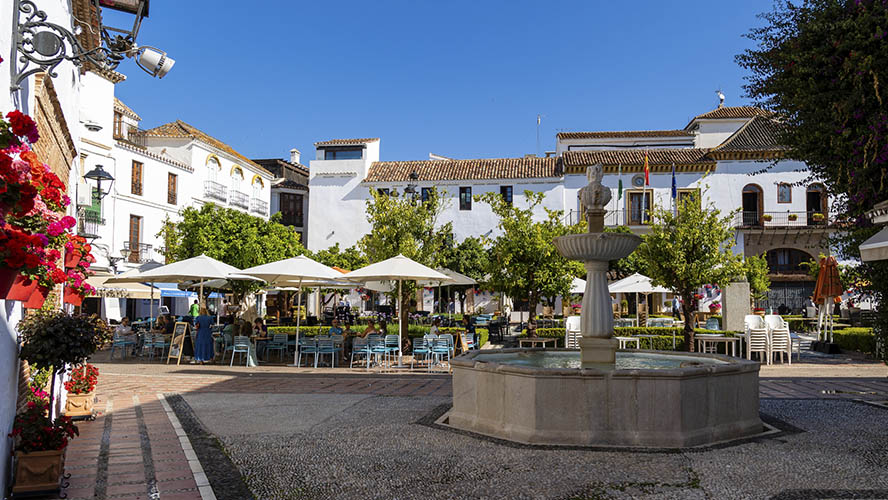
Old Town (Casco Antiguo): Perfect for those who enjoy an urban atmosphere, pedestrian streets, cafés, and nearby workspaces.
Nueva Andalucia: Very popular among expats and digital nomads, with easy access to amenities, supermarkets, and green spaces.
La Milla de Oro (The Golden Mile): Ideal if you’re looking for luxury, beachfront living, and exclusive restaurants.
San Pedro de Alcantara: A quieter, more affordable option, well-connected and fully serviced.
Elviria: A highly valued residential area, close to beaches and with good links to the city center.
Coworking spaces in Marbella
While many professionals work from home thanks to high-speed fiber connections, coworking spaces in Marbella have become key locations for productivity and networking.
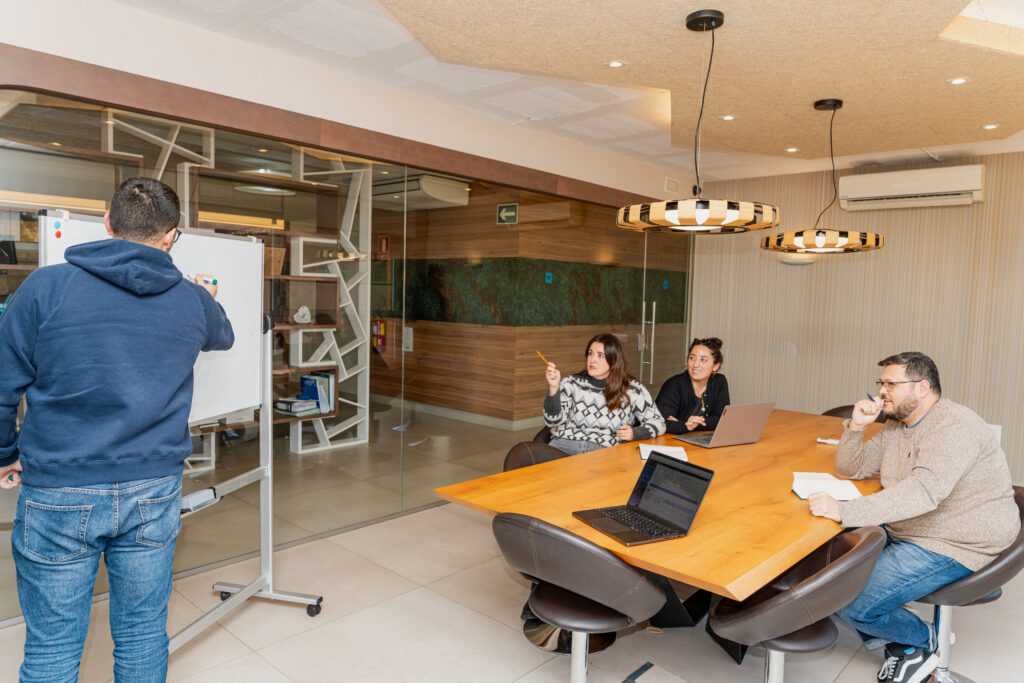
Work in Marbella, our coworking space located on the border between Marbella and Estepona, and conveniently close to popular spots, is a top choice for freelancers, small businesses, and startups looking to work remotely or set up locally.
International community and social life
Marbella stands out for its diverse international community, with foreign residents making up a significant portion of the population. Recent figures show that almost one in three people living in Marbella is foreign, with around 29–36% of residents born abroad according to the latest municipal and census data. Among the most common foreign nationalities are British, German, Ukrainian, and Russian.
The city has also become a year-round hub for expats, digital nomads, and entrepreneurs, supported by coworking spaces, international community groups, and regular meetups, talks, brunches, and after-work events. Outdoor group activities such as hiking, paddle boarding, and beach yoga further enrich Marbella’s vibrant social life.
Leisure and free-time activities
Marbella offers a rich variety of leisure and free-time activities that help maintain a great work-life balance, from relaxing on iconic beaches like La Fontanilla or exploring the protected dunes at Cabopino to hiking in the verdant Sierra de las Nieves and savoring world-class golf that has helped the Costa del Sol earn its reputation as one of the regions with the best golf courses in Europe. The city’s culinary scene blends traditional Andalusian flavors with international and gourmet dining, and its cultural calendar continues to grow with major events like the Starlite Occident summer festival, featuring global music acts and food experiences through August 2025. Throughout the year, Marbella also hosts concerts, art exhibitions and local festivals that bring the vibrant local culture to life.
Practical tips for settling in
Transport: While Marbella doesn’t have a train station, road connections to Malaga and other cities are fast. The most common public transport is the bus, although many people opt for monthly car rentals.
Healthcare: There are high-quality private clinics and reputable public hospitals. A private health insurance policy is recommended if you’re not officially registered as a resident.
Phone & internet: Providers like Movistar, Orange, and Vodafone offer fiber + mobile packages. Most coworking spaces also have high-speed connections.
Safety: Marbella is safe both day and night, though caution is advised in crowded tourist areas during peak summer months.
Banking & finance: Banks like CaixaBank, BBVA, or Sabadell offer accounts for non-residents and services in English.