


Office vs Home: Pros and Cons
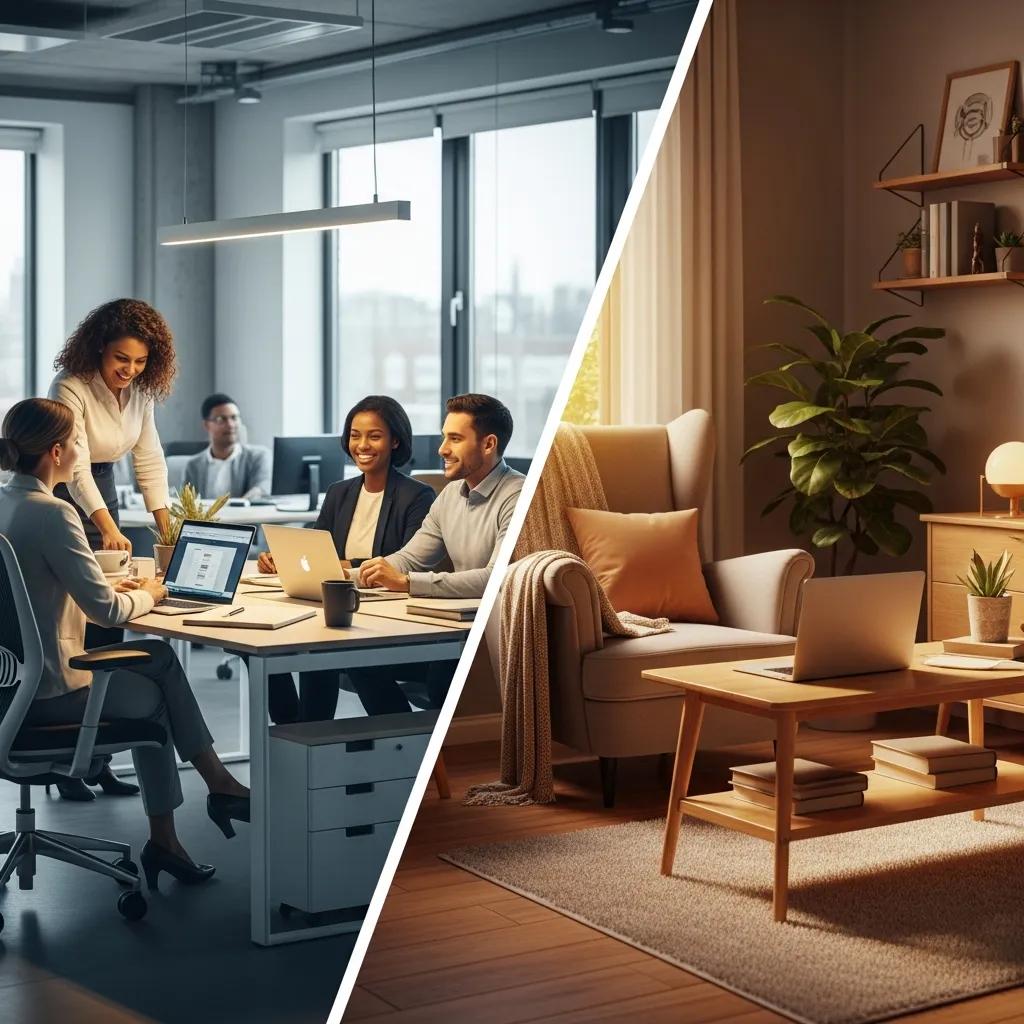
Office vs Home: Pros and Cons
The debate between working from home and in an office environment has gained significant traction in recent years, especially as remote work becomes more prevalent. This article explores the pros and cons of both settings, providing insights into productivity, mental health, and cost considerations. Understanding the nuances of each option can help individuals and businesses make informed decisions about their work environments. As we delve into this topic, we will examine the benefits of flexible workspace solutions, particularly in Marbella, where options like coworking spaces and private offices are increasingly popular.
Pros and Cons of Remote Work and Flexible Workspace Solutions in Marbella
Remote work offers several advantages, including flexibility, reduced commuting time, and the ability to create a personalized work environment. However, it also presents challenges such as feelings of isolation and difficulties in separating work from personal life. On the other hand, flexible workspace solutions, such as those offered by Work in Marbella Coworking, provide a structured environment that can enhance productivity and foster collaboration among entrepreneurs, freelancers, and SMEs.
Further research supports these observations, detailing the complex interplay of benefits and drawbacks associated with remote work.
- Flexibility: Remote work allows individuals to set their schedules and work from anywhere, which can lead to improved work-life balance.
- Cost Savings: Working from home eliminates commuting costs and can reduce expenses related to office attire and meals.
- Community and Networking: Coworking spaces offer opportunities for networking and collaboration, which can be beneficial for business growth.
Despite these benefits, remote work can lead to feelings of isolation and a lack of social interaction, which are crucial for mental well-being.
What Are the Key Productivity Differences Between Office and Home Work?

Productivity levels can vary significantly between office and home settings. In an office, structured environments often reduce distractions and provide access to resources that enhance work efficiency. Conversely, home offices may lack the same level of organization and professional tools, which can hinder productivity.
- Structured Environment: Offices typically offer a distraction-free environment that promotes focus and efficiency.
- Workspace Design: The design of an office can enhance productivity through ergonomic furniture and dedicated workspaces.
- Technology and Amenities: Offices often provide access to advanced technology and amenities that support work tasks.
Understanding these differences can help individuals choose the best environment for their work style and needs.
How Does a Professional Office Environment Enhance Productivity?
A professional office environment enhances productivity by providing a structured setting that minimizes distractions. The presence of colleagues can foster collaboration and motivation, while access to ergonomic furniture and resources can improve comfort and efficiency.
- Reduced Distractions: Offices are designed to minimize interruptions, allowing employees to focus on their tasks.
- Ergonomic Furniture: Access to ergonomic chairs and desks can reduce physical strain and improve overall comfort.
- Networking Opportunities: Being in an office allows for spontaneous interactions that can lead to collaboration and idea sharing.
These factors contribute to a more productive work experience, making office environments appealing for many professionals.
What Home Office Productivity Tips Can Improve Remote Work Efficiency?
To enhance productivity while working from home, individuals can implement several strategies. Creating a dedicated workspace, establishing a routine, and minimizing distractions are key components of an effective home office setup.
- Dedicated Workspace: Setting up a specific area for work can help create a mental separation between work and personal life.
- Establishing a Routine: Maintaining a consistent schedule can improve focus and productivity throughout the day.
- Minimizing Distractions: Identifying and reducing potential distractions, such as social media or household chores, can enhance work efficiency.
By adopting these tips, remote workers can create a more conducive environment for productivity.
How Do Social Interaction and Mental Health Compare Between Office and Home Settings?
Social interaction plays a crucial role in mental health, and the differences between office and home work environments can significantly impact well-being. Offices provide opportunities for face-to-face interactions, which can foster a sense of community and support. In contrast, remote work can lead to feelings of isolation and loneliness.
- Isolation Effects: Remote workers may experience feelings of loneliness due to a lack of social interaction.
- Community Benefits: Coworking spaces offer a sense of community that can alleviate feelings of isolation.
- Networking Opportunities: Offices provide networking opportunities that can enhance professional relationships and support.
Recognizing these differences is essential for maintaining mental health in various work environments.
How Does Remote Work Impact Social Engagement and Isolation?
Remote work can significantly impact social engagement and feelings of isolation. While it offers flexibility, it can also lead to a lack of social interaction, which is essential for mental well-being.
- Comparison of Engagement: Remote workers may find it challenging to engage socially compared to those in office settings.
- Impact of Isolation: Prolonged isolation can lead to negative mental health outcomes, including anxiety and depression.
- Community Benefits: Coworking spaces provide opportunities for social engagement that can mitigate feelings of isolation.
Understanding these impacts is crucial for individuals considering remote work options.
What Are the Cost and Flexibility Considerations of Office Versus Home Work?
When evaluating the cost and flexibility of office versus home work, several factors come into play. Remote work can save on commuting and office-related expenses, while office environments may offer more structured support.
- Cost of Coworking Memberships: Coworking spaces often provide flexible membership plans that can be more cost-effective than traditional office leases.
- Flexibility of Rental Agreements: Many coworking spaces offer short-term rental agreements, allowing businesses to scale as needed.
- Long-Term vs Short-Term Costs: Evaluating the long-term costs of maintaining a home office versus renting a coworking space is essential for financial planning.
These considerations can help individuals and businesses make informed decisions about their work environments.
How Do Flexible Workspace Solutions Offer Cost Advantages?
Flexible workspace solutions, such as coworking spaces, offer several cost advantages that can benefit businesses and freelancers alike. These solutions often come with lower overhead costs and flexible membership plans.
- Lower Overhead Costs: Coworking spaces typically have lower overhead costs compared to traditional office leases.
- Flexible Membership Plans: Many coworking spaces offer various membership options, allowing users to choose plans that fit their needs.
- Shared Amenities: Access to shared amenities, such as meeting rooms and communal areas, can reduce costs for businesses.
These advantages make flexible workspace solutions an appealing option for many professionals.
What Are the Financial Challenges of Maintaining a Home Office?
While working from home can save money, there are financial challenges associated with maintaining a home office. These challenges include setup costs, ongoing expenses, and potential tax implications.
- Setup Costs for Home Offices: Initial investments in furniture and technology can be significant when setting up a home office.
- Ongoing Expenses: Home office expenses, such as utilities and internet, can add up over time.
- Tax Implications: Understanding the tax implications of home office deductions is essential for financial planning.
Recognizing these challenges can help individuals make informed decisions about their work environments.
Why Choose Coworking Spaces or Private Office Rentals in Marbella as a Hybrid Solution?
Choosing coworking spaces or private office rentals in Marbella can provide a hybrid solution that combines the benefits of both remote work and traditional office environments. These spaces offer flexibility, networking opportunities, and professional amenities.
- Flexibility of Workspace Options: Coworking spaces provide various options, from hot desks to private offices, catering to different needs.
- Networking Opportunities: Being in a coworking space allows for networking and collaboration with other professionals.
- Amenities that Enhance Productivity: Many coworking spaces offer amenities such as meeting rooms and high-speed internet, which can enhance productivity.
These factors make coworking spaces an attractive option for those seeking a balanced work environment.
What Are the Advantages of Coworking Spaces for Entrepreneurs and Freelancers?
Coworking spaces offer several advantages specifically tailored to the needs of entrepreneurs and freelancers. These benefits include cost-effectiveness, access to professional services, and community engagement.
- Cost-Effectiveness for Startups: Coworking spaces can be more affordable than traditional office leases, making them ideal for startups.
- Access to Professional Services: Many coworking spaces provide access to professional services, such as legal and accounting support.
- Community Engagement Benefits: The collaborative environment fosters networking and support among entrepreneurs and freelancers.
These advantages make coworking spaces a valuable resource for those in the entrepreneurial ecosystem.