


Living in Marbella: What’s So Great About it?
People often associate living in Marbella with luxury and status. It’s a city widely known for its glamour, but life in Marbella goes far beyond the postcards of Puerto Banús or villas with sea views. As locals, we can tell you there’s something uniquely magical about Marbella. It strikes a perfect balance between Andalusian tradition, with its whitewashed villages, and a modern, cosmopolitan character that few other Spanish cities can offer. Here’s why living in Marbella is truly special.
Hot Desk deals available by day, weekly or monthly
Thinking about moving to Marbella due to its priviledge weather?
One of the main reasons why many people fall in love with Marbella is its weather. This may sound like a cliché, but it’s really true. Unlike other areas of the Costa del Sol, Marbella in particular has a microclimate that makes the city much more sought-after than other areas. Thanks to its geographical position, protected by La Concha mountain and facing the sea, summers here are hot but less than in Malaga city, and the nights are cooler too. In winter, the cold is not as intense as in other areas, such as Cadiz, which means that we have a summer or spring climate from March to October inclusive, and only 4 months of ‘winter’.
This unique weather throughout the year is one of the great luxuries of living in this city, as there are usually no sudden changes in the weather and it is no longer a seasonal city as it used to be, as you can enjoy the leisure and activities that Marbella has to offer, such as its famous beach bars and clubs, all year round.
Marbella’s Blend of Andalusian Charm and Luxury
Although Marbella is known as the European capital of luxury, it still retains its essence as an Andalusian town much more than you may think. Yes, Puerto Banus is a must-see and well worth a visit, but locals rarely go there.
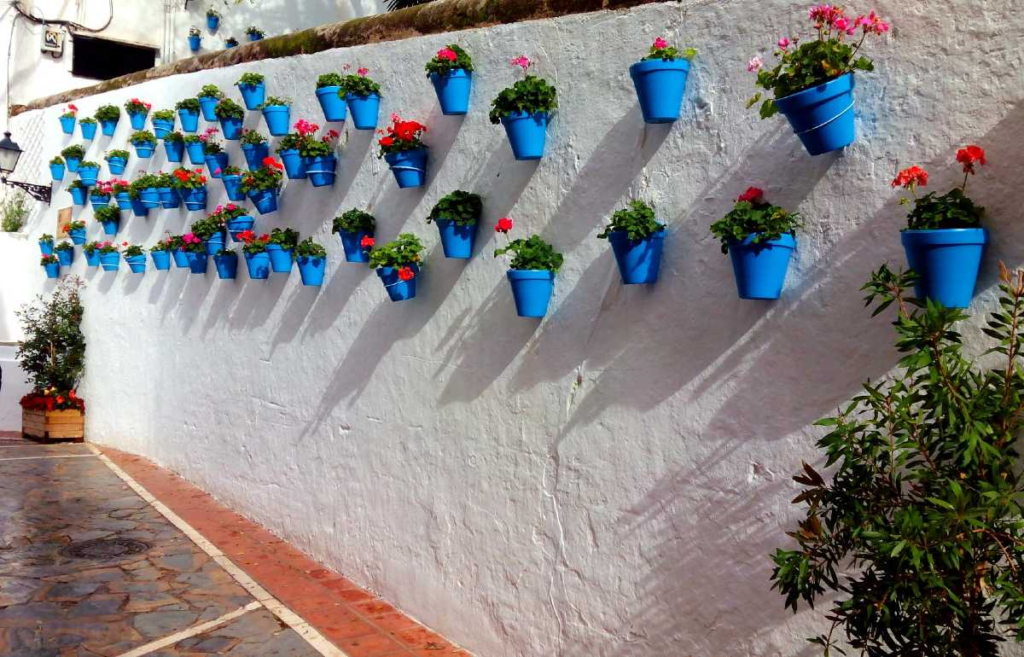
The authentic heart of Marbella is in the village, and not only in its famous old town (where we recommend getting lost and finding the small chapels and churches scattered around), its also on it famous bullring, strolling through its parks (La Constitucion and La Represa ones, above all), the fishing port with its small fishermen’s houses, and the Alameda Park area and its traditional streets such as Antonio Belon, where there are still bars, taverns and family restaurants that have been serving Marbella’s residents for generations. If you want to live like one of them, we recommend frequenting this area.
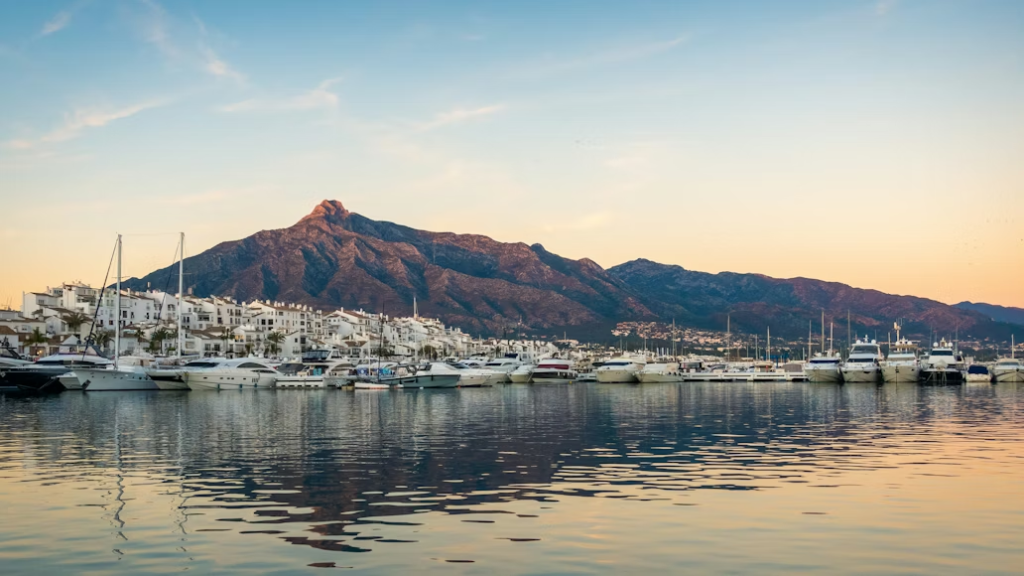
You can feel the real luxury
The true essence of luxury living in Marbella isn’t just what you see in Puerto Banus’ glamorous marina — with its super-yachts, high-end boutiques and luxury brands — but also what you experience on foot along the Golden Mile (Milla de Oro). This iconic 6.5 km stretch of coastal promenade linking the centre of Marbella with Puerto Banus has become one of Europe’s most coveted residential and lifestyle areas, combining sea views, elegant villas and exclusive beach clubs with everyday luxury living.
Walking from the hotel Melia Don Pepe towards Puerto Banus, you’re greeted by the Mediterranean’s deep blue waters, landscaped gardens and scenic beachside paths, making the walk itself part of the Marbella lifestyle. Between chic chiringuitos, upscale restaurants and world-class hotels like the Marbella Club Hotel and Puente Romano, this promenade reflects why the Golden Mile continues to attract global residents and investors in 2025.
In fact, property demand along the Golden Mile remains strong, with ongoing value increases driven by international buyers and lifestyle migration trends. For many, the luxury of Marbella isn’t confined to exclusive interiors — it’s in the everyday experience of the sea, the sunshine, the tasteful architecture, and the vibrant outdoor culture that you feel simply by walking this legendary coastline.
A Diverse and Well-Connected City
Another peculiarity of Marbella is its urban structure. Not everything is concentrated in the centre (Marbella town): there are dozens of residential areas scattered across the mountains and coastline, each with its own unique style and community, such as La Carolina in Marbella, a small hidden residential area that is well worth seeing.You have everything from quiet, family-friendly residential areas, such as Guadalmina, to lively neighbourhoods, such as La Divina Pastora in Marbella town, or communities of luxury villas, such as Sierra Blanca.
There are options for all tastes and budgets, and they are really only 10-20 minutes drive from each other. Best of all, almost all of them have nearby amenities, shops, fairly good and exclusive schools, and leisure activities of all kinds and for all ages, making everyday life very comfortable.
City Life, Beaches, Cuisine, Mountains & Peace
If you want city life, you’ve got it. If you’re looking for tranquillity, you’ve got that too, and all within the same city. You can enjoy of beaches, but also mountain trails with spectacular views, such as La Concha, the most recommended of all. It’s a place where you can disconnect without giving anything up and without having to leave the city. It is an ideal city, especially for families, with quality schools, sports and leisure activities, above all, and a sense of security and privacy that is not so easy to find in other destinations.
Marbella is also a very good destination for young workers, especially because of the job opportunities it offers and the thousands of companies that are setting up here or in the city of Malaga. For cultural activities, Marbella has cinemas and a theatre, but if you are looking for museums or other cultural activities,you can always visit Malaga, which is 45 minutes away by car.
You can sure that special ‘something’ it has… can only be understood when you live here. Another big plus is the food. You have everything from traditional Andalusian taverns, bars and restaurants to haute cuisine with Michelin-starred restaurants, as well as many international restaurants thanks to the thousands of foreigners who live here. There is a huge variety to choose from and something to suit all budgets. You can eat from €20-€30 per person, or even less.
Is Marbella safe to live in?
Although the media sometimes link the Costa del Sol with organised crime, the truth is that Marbella is a really safe city to live in. As in any popular tourist destination, there is a bit of everything and you need to know where to go, as in any city, but overall safety is good in all areas and the local authorities maintain strict controls.
Since 2009, crime rates, although with ups and downs, have fallen significantly, and today Marbella is no more dangerous than cities such as Madrid or London. The local police and the Guardia Civil have an active presence, and both in the centre and in the residential areas, there is a sense of tranquillity.
Cost of living in Marbella
The cost of living in Marbella is often perceived as high, but this varies greatly depending on your lifestyle and housing choices. According to recent cost-of-living comparisons, Marbella can be around 38 % cheaper overall than London, with lower costs for restaurants, groceries, transportation and entertainment — and housing in particular significantly more affordable compared with the UK capital.
In Marbella itself, monthly rents for a one- or two-bedroom apartment typically range from roughly €1,100 to €3,500, with utilities and everyday expenses (internet, groceries, etc.) reflecting moderate Spanish market prices. A comfortable lifestyle in Marbella for a single person, including rent in a good area, commonly falls between €2,500 and €3,800 per month, depending on accommodation, dining habits and leisure choices.
By contrast, achieving a similar standard of living in London often costs significantly more — in many cases €4,500+ per month — particularly due to much higher housing and childcare costs. However, Marbella also carries a higher cost of living than the Spanish average, largely due to its attractiveness for international residents and premium locations.
Education in Marbella
As mentioned above, Marbella is the ideal destination for raising children and starting a family. There are public schools (free until the age of 18) everywhere, as well as state-subsidised private schools, private schools and many international schools, which is ideal for foreign residents, families who move frequently, or those who want to educate their children in languages from a very young age, such as the German school. Marbella in particular is one of the best place to learn or teach your children languages, which can open many doors in the future in terms of employment.
Among the most renowned schools are Aloha College, Colegio San Jose and Laude San Pedro International College, as well as Swans International School and Calpe School. Public schools also have a good reputation, especially in areas such as Nueva Andalucía, Elviria and San Pedro Alcántara.
Best areas to live in Marbella
Here we recommend some specific neighborhoods in Marbella:
- Nueva Andalucia: Ideal for golf lovers and those seeking a quiet, residential vibe, especially in areas like Las Brisas or Aloha.
- The Golden Mile: Still the most exclusive area—perfect for those looking for luxury living close to both the beach and Puerto Banús.
- Benahavis: Though slightly inland, it offers nature, peace, and a more traditional Andalusian lifestyle.
- Nagüeles: One of Marbella’s most exclusive, quiet, and secure urbanizations, located next to the town center. A top choice for those who want both tranquility and social life.
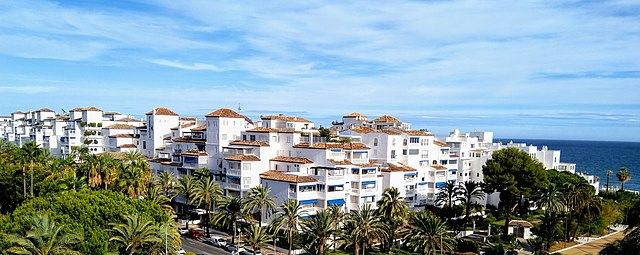
- San Pedro Alcantara & Marbella Town: These areas combine the charm of a small town with proximity to the beach and city. Very popular with families, retirees, and younger people looking for more social life.
Healthcare in Marbella
Medical care in Marbella is excellent, both in public and private facilities. The Costa del Sol Hospital, located in Las Chapas, is one of the most modern in Andalusia and offers multilingual services. Its ideal for international residents.There are also highly rated private clinics like Quiron Salud Marbella, Hospiten, and HC Marbella International Hospital.
There is also an extensive network of public and private health centres in every neighbourhood or residential area, which usually accept all types of medical insurance.
Advantages of living in Marbella
- Fantastic, stable climate all year round.
- Large international community offering quality employment and language learning opportunities.
- High-quality education and healthcare.
- Focus on outdoor activities for adults and children.
- Excellent cuisine.
- Relaxed pace of life.
- Well connected to the rest of Europe thanks to its proximity to Malaga Airport, one of the busiest in the world.
Disadvantages of living in Marbella
- Summer months are crowded with tourists.
- Property prices (and real estate commissions) are high.
- Slower lifestyle might take adjustment.
- Adapting to Spanish culture can be challenging at first.
Still, for most people, these are minor trade-offs for the incredible quality of life that Marbella provides.