



Hybrid Team Management: Practical Tips
Last updated: August 27, 2026
Managing hybrid teams effectively requires a good approach that balances remote communication with in-person collaboration. As organizations increasingly adopt hybrid work models, understanding the best practices and tools for remote team management becomes essential. This article will explore key strategies for enhancing productivity and communication within hybrid teams, focusing on effective collaboration techniques and the tools that facilitate these interactions. By addressing common challenges faced by hybrid teams, such as maintaining engagement and ensuring clear communication, this guide aims to provide actionable insights for leaders and team members alike.
Best Practices for Remote Communication
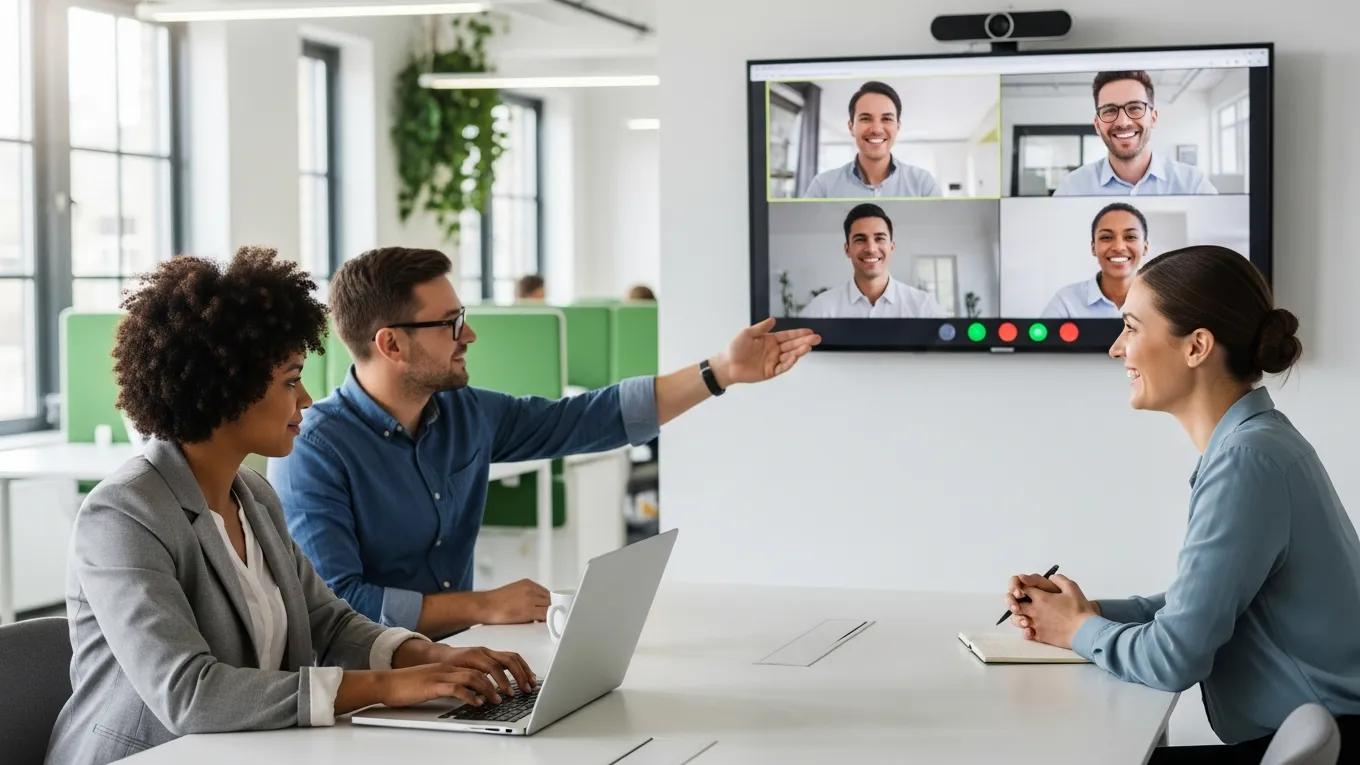
Effective communication is the cornerstone of successful hybrid team management. Establishing clear communication protocols is vital to ensure that all team members are on the same page. Regular check-ins help maintain connection and accountability, while utilizing video conferencing tools can enhance face-to-face interactions, even when team members are physically apart.
- Establish Clear Communication Protocols: Define how and when team members should communicate, including preferred channels for different types of messages.
- Regular Check-Ins: Schedule consistent meetings to discuss progress, address concerns, and foster team cohesion.
- Utilize Video Conferencing: Leverage platforms like Zoom or Microsoft Teams to facilitate real-time discussions and maintain personal connections.
These practices not only improve clarity but also foster a sense of belonging among team members, which is crucial for maintaining morale in a hybrid work environment.
Strategies for Effective Collaboration
To foster collaboration in hybrid teams, it is essential to implement strategies that encourage teamwork and engagement. Creating a dedicated workspace for team projects can help maintain focus and productivity. Additionally, implementing time management techniques ensures that team members can balance their workloads effectively.
- Create a Dedicated Workspace: Designate specific areas for team collaboration to minimize distractions and enhance focus.
- Implement Time Management Techniques: Encourage the use of time-blocking or the Pomodoro technique to optimize productivity.
- Encourage Social Interactions: Organize virtual team-building activities to strengthen relationships and improve team dynamics.
By prioritizing collaboration and engagement, hybrid teams can overcome the challenges posed by remote work and achieve their goals more effectively.
Which strategies improve team coordination and motivation remotely?
Improving team coordination and motivation in a remote setting requires intentional strategies. Utilizing reliable communication tools ensures that team members can easily connect and collaborate. Encouraging regular check-ins helps maintain accountability and fosters a sense of belonging. Additionally, creating a dedicated workspace can enhance focus and productivity.
- Utilizing Reliable Communication Tools: Ensure that all team members have access to the necessary tools for effective communication.
- Encouraging Regular Check-Ins: Schedule consistent meetings to discuss progress and address any challenges.
- Creating a Dedicated Workspace: Designate specific areas for team collaboration to minimize distractions.
These strategies contribute to a more cohesive and motivated team.
Which best practices increase team productivity in hybrid work models?
To increase productivity in hybrid work models, teams should adopt several best practices:
- Utilize Project Management Tools: Implement tools like Trello o Asana to track tasks and deadlines.
- Regular Virtual Meetings: Schedule consistent meetings to discuss progress and align on goals.
- Leverage Instant Messaging Platforms: Use tools like Slack for quick communication and updates.
Measuring and tracking hybrid team performance involves setting clear key performance indicators (KPIs) and utilizing performance tracking tools. Establishing specific metrics allows teams to assess their progress and identify areas for improvement. Regular feedback sessions can also help ensure that team members are aligned with organizational goals.
What emerging AI tools enhance hybrid team coordination?
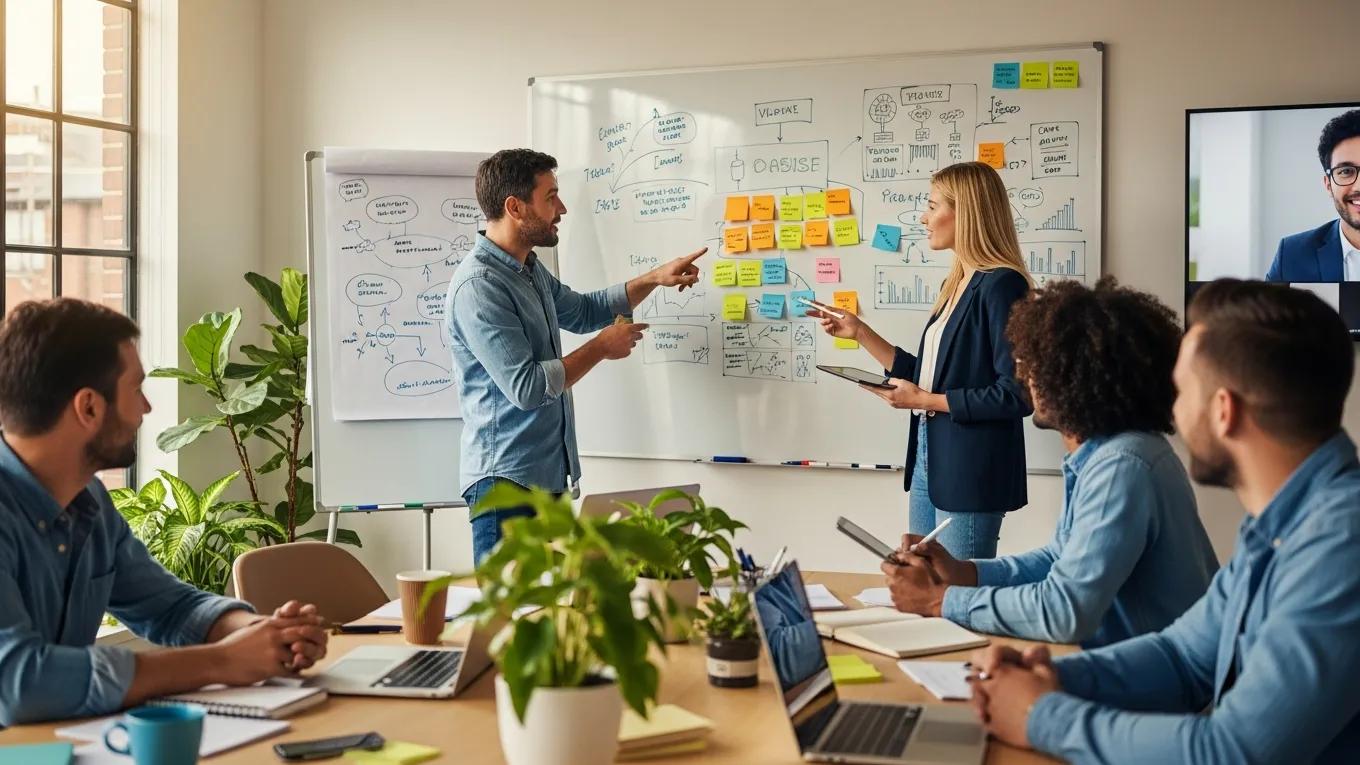
Emerging AI tools are increasingly being utilized to enhance hybrid team coordination. These tools can automate routine tasks, analyze team performance, and provide insights that help improve collaboration. By leveraging AI technology, teams can optimize their workflows and focus on more strategic initiatives.
The integration of AI tools can significantly streamline communication processes, acting as a neutral facilitator within hybrid teams.
- AI for Task Management: Tools that automate task assignments and reminders can improve efficiency.
- AI for Communication: Chatbots and virtual assistants can facilitate communication and provide quick answers to common questions.
Specifically, polyadic chatbots offer versatile support, acting as discussion facilitators and mediators to enhance collaboration and balance participation.
How to Use a Coworking Space to Improve the Hybrid Team Experience
A coworking space can be an excellent solution for improving the experience of hybrid teams. In addition to providing a professional place to work, it allows teams to organize in-person gatherings, meetings, and collaborative sessions without the need to maintain a traditional full-time office. For companies with distributed employees, a coworking space can also help strengthen connections between colleagues, foster team culture, and provide greater flexibility based on the needs of each week.